
Virtual Reality Headset
Goal
Worked with the internal research, design and development teams to support the launch of Quest 3 and Quest 4 virtual reality headsets by ensuring the products were deeply aligned with user needs, comfort, and usability expectations.
Methods
5 mixed-method UX research studies across the U.S. and Canada. The research combined generative, discovery, and evaluative methods — including qualitative interviews, contextual inquiry (in-person sessions at users’ homes) , and quantitative surveys — to uncover insights across hardware, interface, and onboarding experiences.
Outcome
Each study produced a comprehensive 150+ page insights report, directly informing design and development decisions that improved comfort, accessibility, and overall user experience. The findings helped create a more user-centric foundation for the successful global launch of the Quest 3 and Quest 4 headsets.
Our Projects with Big Tech Clients

Salesforce CRM Migration
Goal
Support the successful migration from ClientView to Salesforce by understanding employee adoption, usability, and overall CRM experience across departments to help teams build the new CRM.
Methods
Led a mixed-methods UX research program involving large- scale survey with 300+ participants, in-depth interviews, and 15 iterative usability testing rounds with over 150 users. The research explored employee workflows, identified adoption barriers, and validated MVP features in collaboration with RBC’s internal teams.
Outcome
Produced insights that guided feature prioritization, user onboarding design, and training strategies, ensuring a smooth transition to Salesforce. The work drove measurable improvements in adoption rates and alignment with organizational OKRs, supporting RBC’s enterprise-wide digital transformation.
Digital Insurance Startup: Zensurance
Goal
Improve the online experience and conversion rates for a fast-scaling digital insurance platform while establishing UX research as an integral part of product development.
Methods
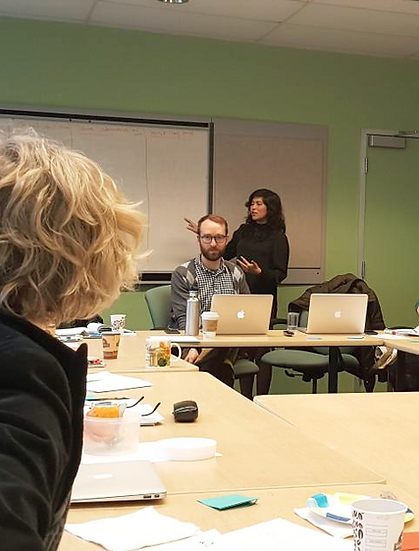
Worked cross-functionally with product, design, and engineering teams to conduct usability tests, A/B experiments, and qualitative interviews with small business owners and brokers. Facilitated collaborative hackathons and “Power-Up” workshops to align internal teams and introduce user-centered design practices across departments.
Outcome
Generated insights that led to a 10% increase in online conversions and improved the overall digital customer journey.

Global Women's Mobility
Goal
Explore women’s mobility, safety, and accessibility challenges across 3 cultural and geographic contexts (UK, Pakistan, and Malaysia to inform inclusive urban design and mobility solutions.
Methods
Collaborated with international partners from Coventry University, the University of Malaya, and DesignPak to conduct 200+ surveys, qualitative interviews, and five co-creation workshops with public, private, and civic stakeholders. The research combined ethnography, data analysis, and participatory design techniques.
Outcome
Produced actionable insights and design recommendations for policy makers to improve women’s commute and mobility experiences in the UK, Pakistan, and Malaysia. Findings were published in 2 books ‘Contentious Cities’ (Routledge) and ‘Design for Global Challenges’ (Routledge). Presentations at DesignTO and Radical Research conferences, influencing discussions on gender-inclusive mobility design.
Developmental Impact Model
Goal
Designed an integrated model to assess and visualize the social and academic impact of research activities at the Centre for Critical Qualitative Health Research (CCQHR).
Methods
Using participatory analysis, designed a five-phase research and evaluation process — from scoping to report design — combining qualitative evaluation, stakeholder interviews, and design thinking methods. Participatory analysis was used to identify key metrics and visual frameworks for long-term monitoring.
Outcome
Delivered a comprehensive Developmental Impact Model that enabled CCQHR to measure outcomes, communicate value, and continuously improve its research impact strategy.

School of Social Entrepreneurs Ontario
Goal
To explore new value propositions, revenue streams, and organizational fit to add profit-making streams for SSE and support long-term growth..
Methods
Using a mix of strategic foresight, environmental scanning, and participatory workshops, the project applied frameworks such as:
-
The Osterwalder & Pigneur value model
-
Three kinds of fit (problem-solution, product-market, business model)
-
Van der Heijden’s criteria for evaluating strategic options
-
Trend scanning and scenario planning
-
Customer profiling and validation exercises
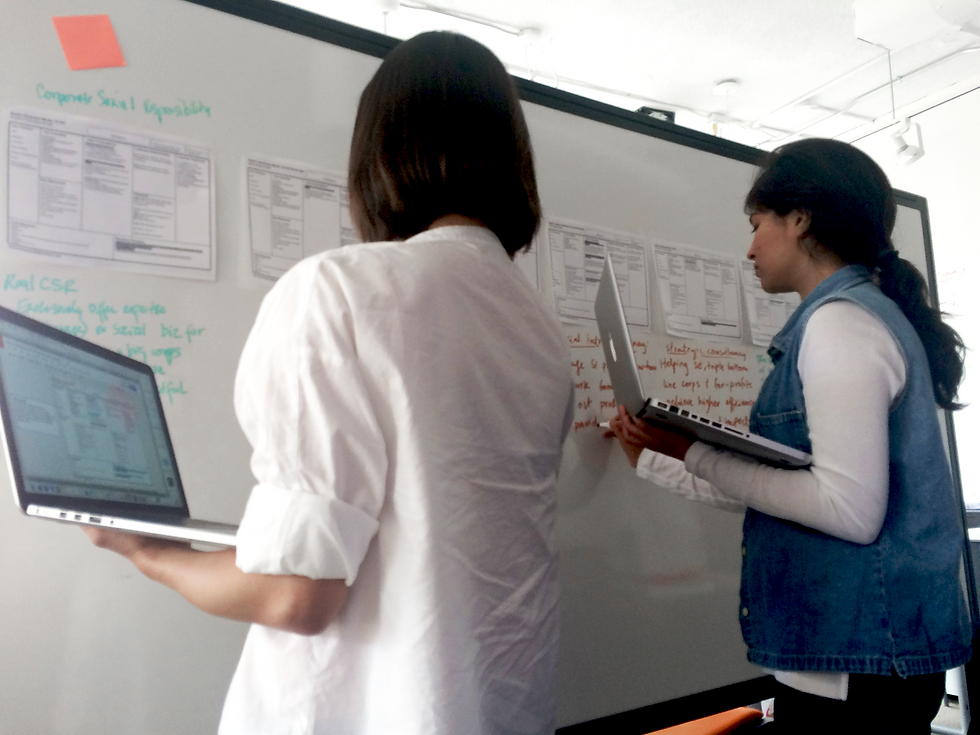
Stakeholders from the school and external partners were engaged in co-creation sessions to ideate, validate, and prioritize business models. The process involved iterative rounds of feedback and alignment with internal capacities.
Outcome
The engagement produced a clear roadmap of strategic options, refined business models, and prioritized opportunities for scaling. The school gained 3 new business models, a top recommended pick and a strategic roadmap to implement it.